Preview

This is your website preview.

Currently it only shows your basic business info. Start adding relevant business details such as description, images and products or services to gain your customers attention by using Boost 360 android app / iOS App / web portal.

RISHIINDUSTRIESPRIVATELIMITED8483 67c81ac56e185100334223a7 Products https://www.rishifitness.com
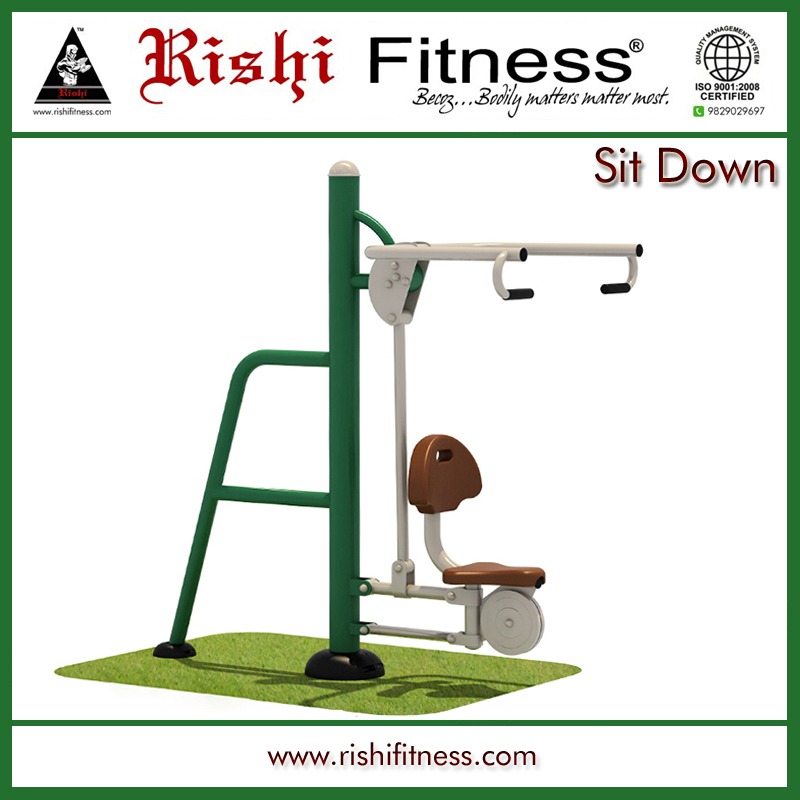
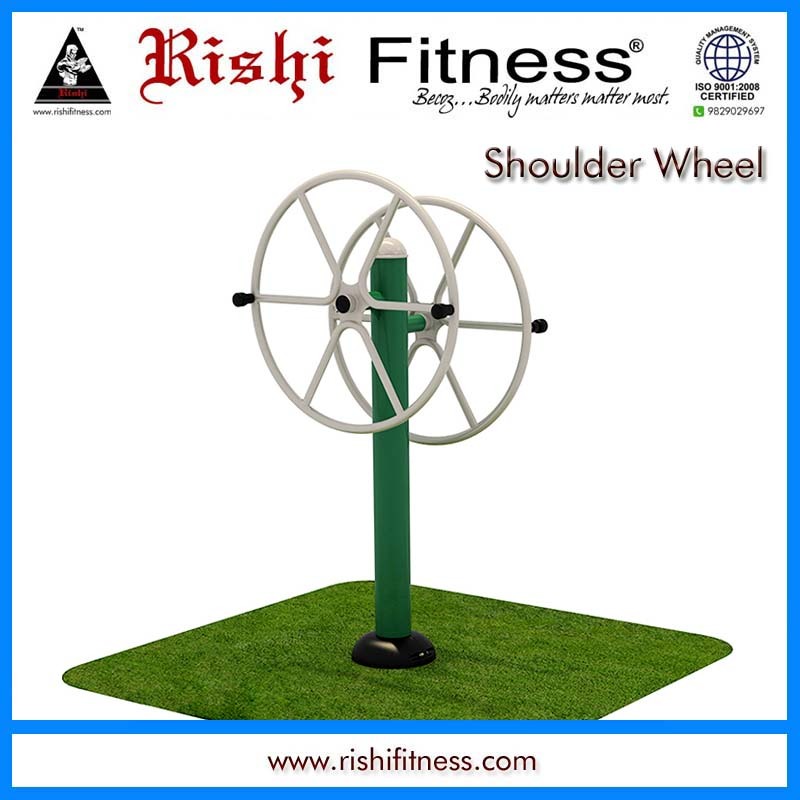
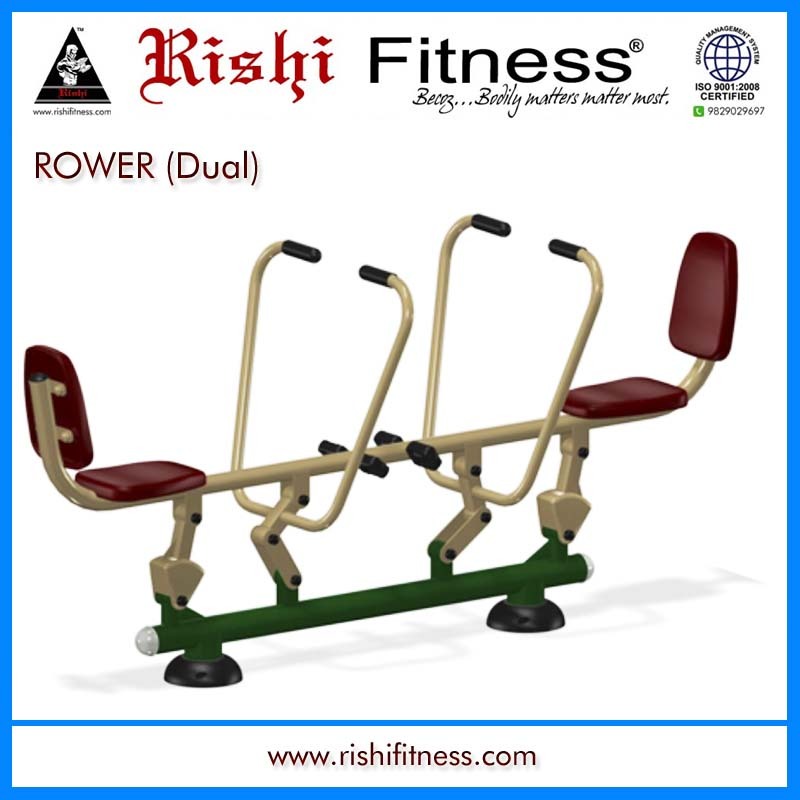
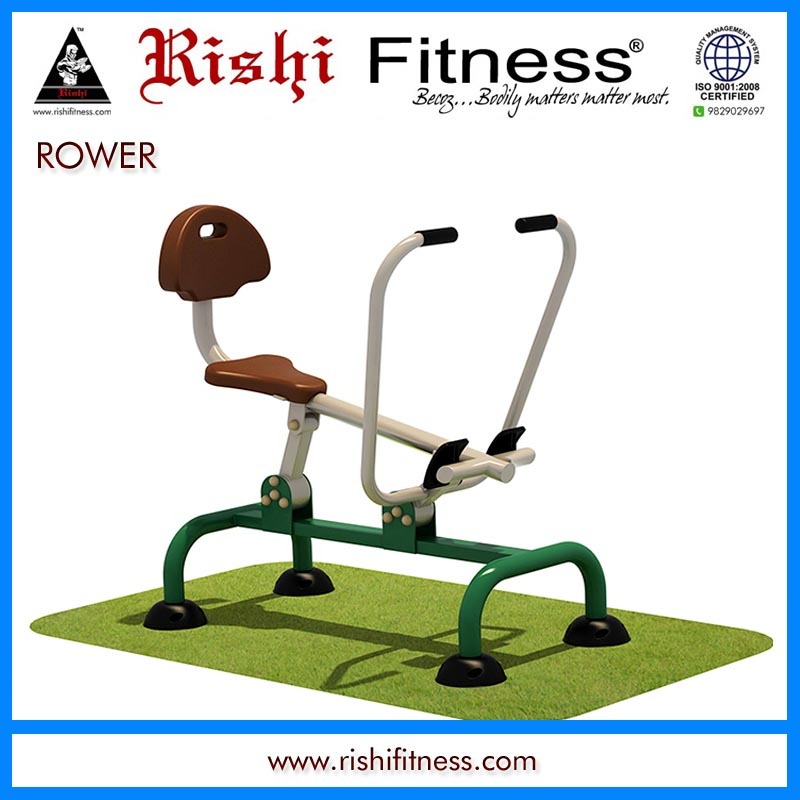
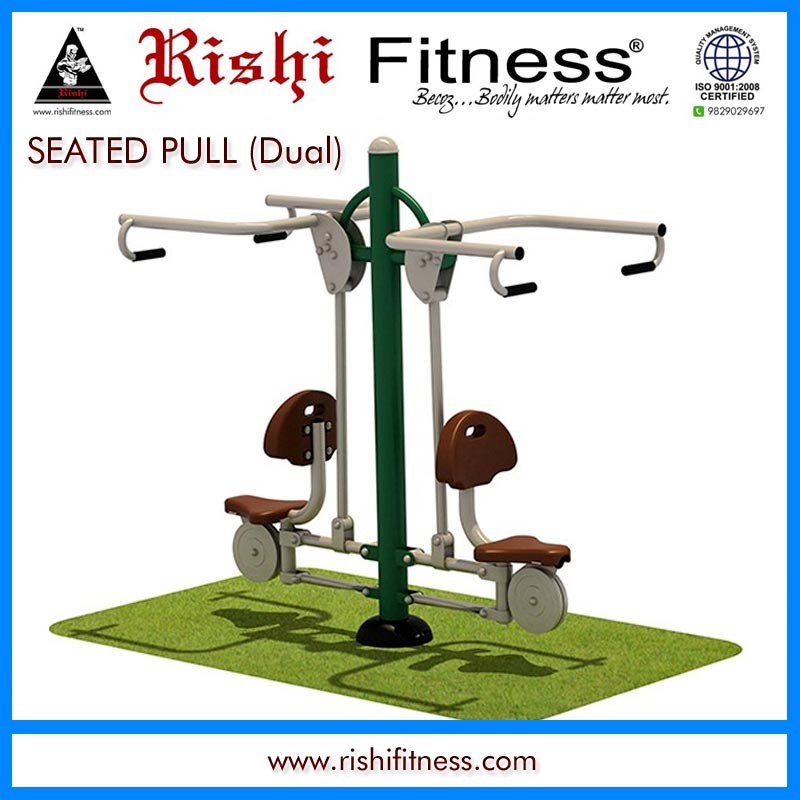
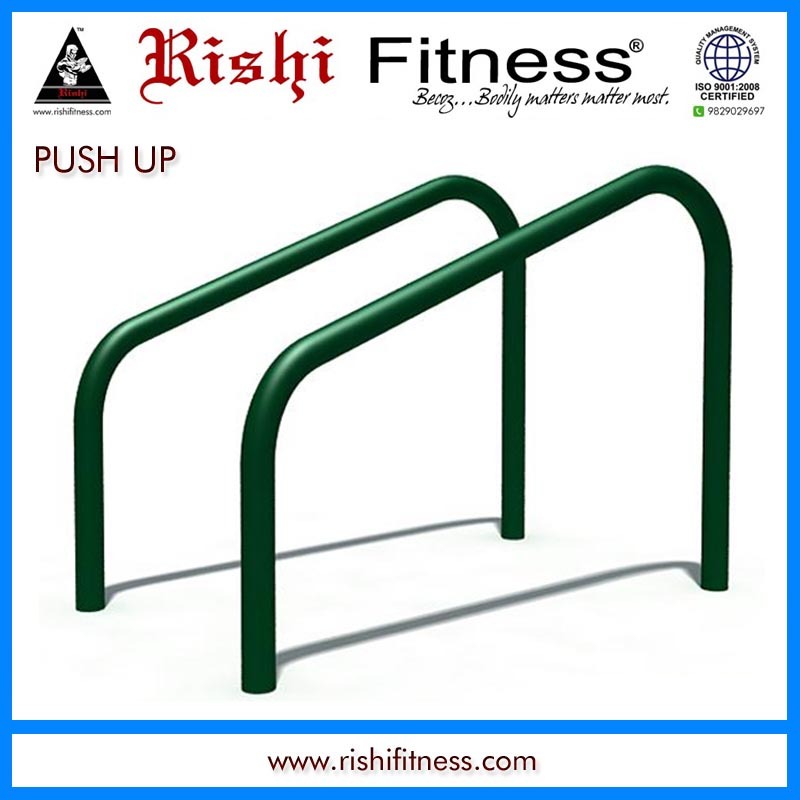
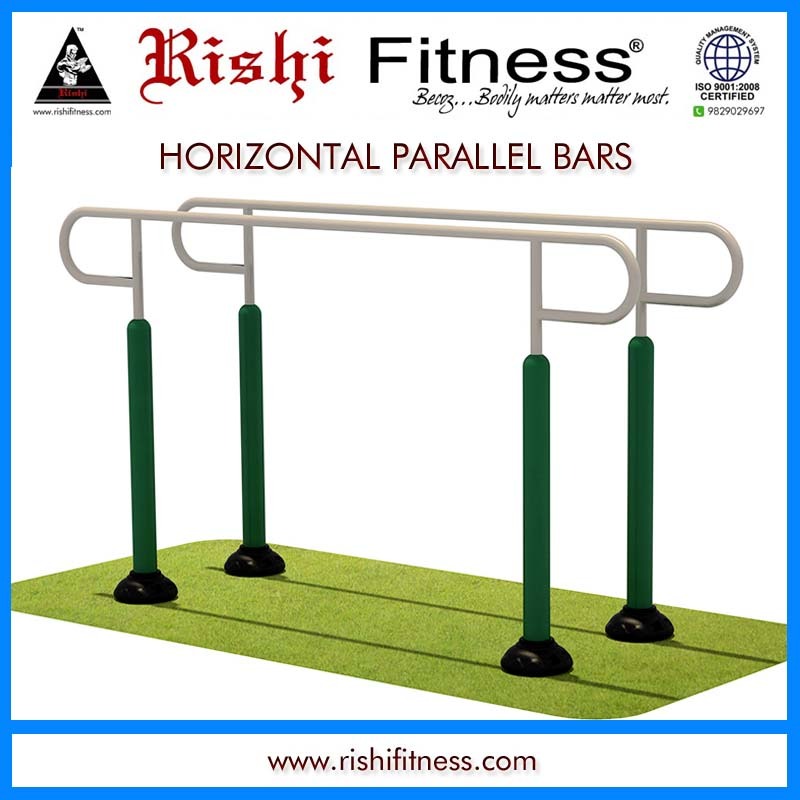
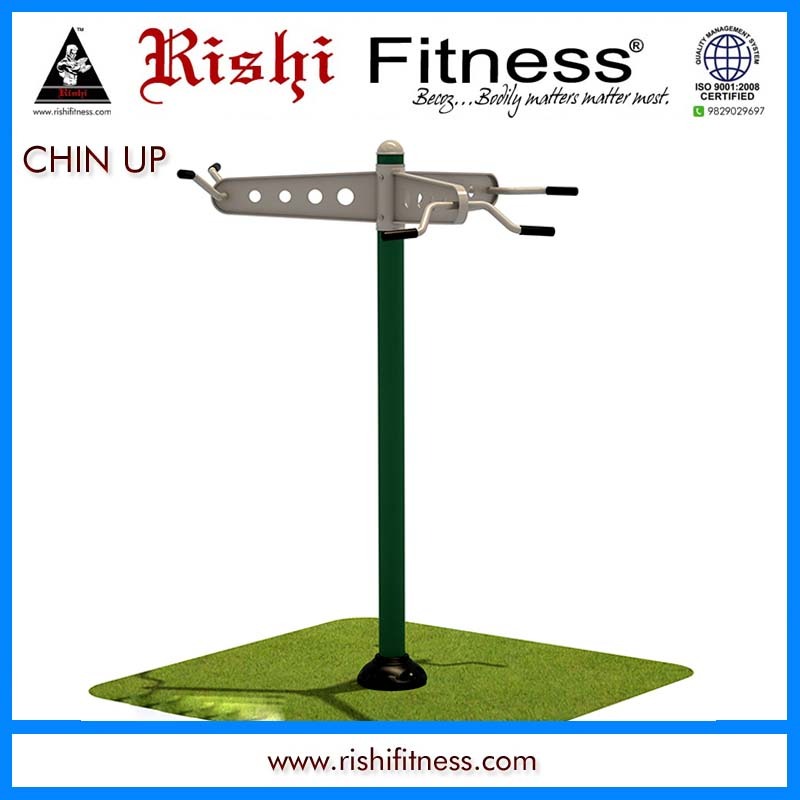
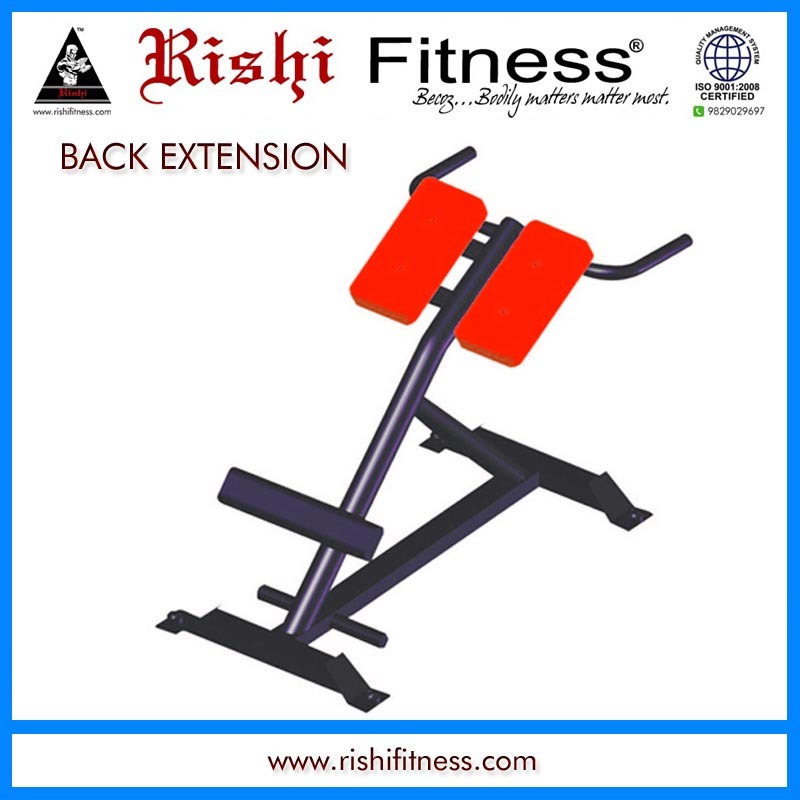
{ "products": [ { "_id": "67e7c004824920f8e30a7d06", "fptag": "RISHIINDUSTRIESPRIVATELIMITED8483", "merchantname": null, "customwidgets": null, "externalsourceid": null, "name": "Sit Down", "description": "Sit Down (Fitness Equipment)\nA Sit Down is a term commonly used to describe a type of fitness equipment designed to provide users with the ability to perform various strength or cardiovascular exercises while seated. It is often found in gyms or fitness centers, offering a comfortable and stable position for performing exercises that target different muscle groups, particularly in a low-impact and controlled manner. Some sit-down equipment is used for resistance training, while others might focus on cardio exercises.\n\nTypes of Sit-Down Fitness Equipment\nSeated Row Machines:\n\nThe seated row machine targets the back muscles, including the latissimus dorsi and rhomboids, by having users pull a handle towards their body while seated. The machine provides an effective, controlled workout for the upper body without putting undue stress on the lower back.\n\nSeated Leg Press:\n\nA seated leg press machine allows users to push weights with their legs while seated, targeting the quadriceps, hamstrings, and glutes. The machine provides a safer and more controlled alternative to squats for building lower body strength.\n\nSeated Abdominal Crunch Machine:\n\nThe seated abdominal crunch machine is designed to isolate the abdominal muscles. Users sit on the machine, grasp handles, and perform crunching movements to target the core. This machine provides an effective, low-impact alternative to traditional crunches.\n\nSeated Chest Press Machine:\n\nThe seated chest press machine targets the pectorals, shoulders, and triceps by simulating the movement of a bench press. Users push handles forward while seated, providing a controlled way to work on upper body strength.\n\nSeated Bike (Stationary Cycle):\n\nThe seated bike is a cardio machine designed for low-impact cycling while seated. It helps improve cardiovascular endurance, leg strength, and stamina without putting too much stress on the joints, especially beneficial for individuals with knee or hip issues.\n\nSeated Arm Curl Machine:\n\nThe seated arm curl machine targets the biceps by having users curl weights while seated. This machine provides isolation for the upper arm muscles and ensures proper form throughout the exercise.\n\nBenefits of Sit-Down Fitness Equipment\nLow Impact on Joints:\n\nMany sit-down machines provide low-impact exercises, which reduce the risk of joint strain, making them ideal for people with joint issues, older adults, or those recovering from injuries.\n\nBetter Posture and Stability:\n\nSeated equipment allows users to maintain proper posture and stability during workouts. The seated position prevents excessive strain on the back and allows for more controlled, focused movements.\n\nFocused Muscle Targeting:\n\nSitting down often isolates specific muscle groups, allowing for more targeted workouts. This is beneficial for individuals looking to strengthen particular areas, such as the legs, back, arms, or core.\n\nIdeal for Beginners:\n\nFor beginners or individuals who are new to fitness, seated machines often offer an easier learning curve. They provide built-in guidance for movement patterns, making it less likely to perform exercises incorrectly.\n\nComfort and Convenience:\n\nThe seated position on fitness equipment often provides added comfort during exercise, especially for people who may find standing for long periods challenging. This makes exercising more accessible to a wide range of individuals.\n\nExamples of Sit-Down Exercises\nSeated Row:\n\nSit down on the machine with your feet firmly placed and grasp the handles with both hands. Pull the handles towards your torso while keeping your back straight, focusing on using your back muscles. Slowly return to the starting position.\n\nSeated Leg Press:\n\nSit with your back flat against the seat and your feet placed on the footplate. Push the weight upward using your legs, then slowly lower it back down, maintaining control of the movement.\n\nSeated Chest Press:\n\nSit upright on the machine and grasp the handles with both hands. Push the handles forward, extending your arms while keeping your back against the seat. Slowly return to the starting position, focusing on engaging the chest muscles.\n\nSeated Bicep Curl:\n\nSit down with your arms extended in front of you. Curl the weights towards your shoulders, keeping your upper arms stationary. Slowly return the weights to the starting position, isolating the biceps during the movement.\n\nSeated Ab Crunch:\n\nSit on the machine and grasp the handles. Engage your core and perform a crunch, bringing your upper body towards your knees. Slowly return to the starting position and repeat the movement.\n\nConclusion\nThe Sit Down fitness equipment category provides a variety of machines designed to help users perform strength, endurance, and cardio exercises in a seated position. These machines offer a low-impact, stable, and controlled environment, making them perfect for beginners, people with joint concerns, or those recovering from injuries. ", "price": 0.0, "discountamount": 0.0, "currencycode": "INR", "priority": 1000000, "isfreeshipmentavailable": false, "shipmentduration": 0, "_keywords": [ "beginners people", "core ideal", "individuals examples", "shoulders keeping", "sit downsit", "feet firmly", "targeted workouts", "exercise benefits", "push weights", "users pull", "seated bike", "seated providing", "seated targeting", "handles engage", "machines offer", "back flat", "lowimpact stable", "movement conclusion", "crunch bringing", "arms extended", "hands push", "maintaining control", "weight upward", "footplate push", "hands pull", "wide range", "makes exercising", "find standing", "added comfort", "lowimpact cycling", "pectorals shoulders", "quadriceps hamstrings", "upper body", "latissimus dorsi", "resistance training", "muscle groups", "term commonly", "seated position", "controlled manner", "performing exercises", "cardiovascular exercises", "provide users", "stable position", "back muscles", "joint concerns", "sitdown equipment", "machines designed", "slowly lower", "controlled alternative", "machine grasp handles", "cardio exercises", "starting position", "fitness equipment", "legs back arms", "users curl weights", "stability seated equipment", "cardio machine designed", "fitness seated machines", "putting undue stress", "fitness equipment designed", "effective lowimpact alternative", "seat slowly return", "perform crunching movements", "handles forward extending", "upper arm muscles", "back straight focusing", "cardio exercises types", "starting position isolating", "starting position focusing", "movement patterns making", "maintain proper posture", "fitness equipment category", "controlled environment making", "effective controlled workout", "provide builtin guidance", "joint strain making", "knees slowly return", "fitness centers offering", "long periods challenging", "easier learning curve", "ensures proper form" ], "isarchived": false, "isavailable": true, "applicationid": null, "productindex": 46, "imageuri": "https://bizimages.withfloats.com/actual/2e837149cbcd4906a6133fbccc3fd93b.jpg", "tileimageuri": "https://bizimages.withfloats.com/actual/2e837149cbcd4906a6133fbccc3fd93b.jpg", "images": null, "totalqueries": 0, "gpid": null, "groupproductid": null, "createdon": "2025-03-29T09:40:20.559Z", "updatedon": "2025-03-29T09:40:20.559Z", "buyonlinelink": null, "producturl": "https://WWW.RISHIFITNESS.COM/products/sit-down/46", "availableunits": -1.0, "iscodavailable": false, "isprepaidonlineavailable": true, "maxcodorders": 0, "maxprepaidonlineorders": 0, "uniquepaymenturl": null, "brandname": null, "category": "Outdoor Fitness Equipments", "tags": null, "variants": false, "keyspecification": null, "otherspecifications": null, "pickupaddressreferenceid": null, "paymenttype": "AssuredPurchase", "producttype": "products", "hsncode": "", "gstslab": 0.001, "isnotforsale": false }, { "_id": "67e7bce9291a8662aa469fdd", "fptag": "RISHIINDUSTRIESPRIVATELIMITED8483", "merchantname": null, "customwidgets": null, "externalsourceid": null, "name": "Shoulder Wheel", "description": "Shoulder Wheel\nThe Shoulder Wheel is a piece of fitness equipment designed to enhance shoulder mobility, flexibility, and strength. It’s often used for rehabilitation, injury prevention, and strengthening the muscles around the shoulder joint. The device consists of a circular rotating wheel that you grip with both hands and rotate in various directions, mimicking natural shoulder movements. This equipment is particularly beneficial for those looking to improve the range of motion and endurance in their shoulders.\n\nKey Features of the Shoulder Wheel\nRotating Wheel:\n\nThe Shoulder Wheel features a circular wheel that is mounted on a frame. The wheel can rotate in either direction, allowing users to move their arms in a circular or rotational motion.\n\nThis motion is designed to mimic the natural movements of the shoulder joint, offering a dynamic workout for the shoulder muscles.\n\nAdjustable Resistance:\n\nSome models come with adjustable resistance to vary the difficulty of the workout. This resistance can help increase shoulder strength over time and can be used to progressively challenge the user.\n\nThe adjustable resistance allows the user to tailor the intensity of the exercise, making it suitable for different fitness levels.\n\nMultiple Grips:\n\nThe Shoulder Wheel typically has handles or grips that can be held with both hands. These grips are often ergonomically designed to make the exercise more comfortable and to allow users to perform exercises with proper form.\n\nSome models may have adjustable grips to accommodate users with different hand sizes or preferences.\n\nCompact and Versatile:\n\nThe Shoulder Wheel is typically a compact piece of equipment, making it easy to set up in a gym or at home.\n\nIt is also versatile, as it can be used for a variety of shoulder exercises and movements, targeting different areas of the shoulder and upper body.\n\nHow to Use the Shoulder Wheel\nSet Up the Equipment:\n\nStand or sit in front of the Shoulder Wheel with your body positioned so that your arms can reach the grips comfortably.\n\nAdjust the wheel’s resistance to the desired level, based on your fitness or rehabilitation needs.\n\nGrip the Handles:\n\nGrip the handles with both hands, ensuring that your grip is firm but not too tight. Keep your arms extended in front of you.\n\nBegin Rotating:\n\nStart by rotating the wheel in a circular motion with both hands. You can rotate the wheel in both directions (clockwise and counterclockwise) for an even workout.\n\nFocus on smooth, controlled movements, engaging the shoulder muscles as you rotate the wheel.\n\nProgressively Increase Difficulty:\n\nIf you're using the adjustable resistance feature, you can gradually increase the resistance to make the movement more challenging as you build strength and endurance.\n\nMaintain Proper Posture:\n\nKeep your shoulders relaxed and your back straight during the exercise. Avoid slouching or overextending your arms to ensure you’re targeting the muscles effectively and avoiding injury.\n\nBenefits of the Shoulder Wheel\nImproved Shoulder Mobility:\n\nThe Shoulder Wheel helps improve the range of motion in the shoulder joint. It encourages the shoulder to move through various planes of motion, which helps increase flexibility and mobility in the shoulder muscles and surrounding tissues.\n\nStrengthens Shoulder Muscles:\n\nThe circular motion of the Shoulder Wheel engages several muscle groups in the shoulder, including the deltoids, rotator cuff, and upper back. It helps build strength in these areas, which can improve overall shoulder function and stability.\n\nPrevents Injuries:\n\nRegular use of the Shoulder Wheel can help prevent shoulder injuries, especially those associated with sports or activities that require overhead movements. Strengthening the shoulder muscles and improving flexibility can reduce the risk of strains, sprains, and other injuries.\n\nRehabilitation:\n\nThe Shoulder Wheel is often used in rehabilitation programs for people recovering from shoulder injuries or surgeries. It is a great tool for gently increasing strength and mobility after an injury, promoting faster recovery and reducing stiffness.\n\nEnhances Posture:\n\nStrengthening the shoulder muscles can improve posture, as the shoulder muscles play an important role in maintaining a strong, aligned upper body. The Shoulder Wheel helps stabilize the shoulders, which can alleviate upper back pain caused by poor posture.\n\nLow-Impact Exercise:\n\nThe Shoulder Wheel provides a low-impact exercise option for people who want to work on shoulder strength and mobility without placing excessive strain on the joints, making it suitable for individuals with arthritis or other joint conditions.\n\nVersatility:\n\nThe Shoulder Wheel can be used for a variety of shoulder exercises and movements. This versatility makes it a useful tool in both strength training and rehabilitation routines.\n\n", "price": 0.0, "discountamount": 0.0, "currencycode": "INR", "priority": 1000000, "isfreeshipmentavailable": false, "shipmentduration": 0, "_keywords": null, "isarchived": false, "isavailable": true, "applicationid": null, "productindex": 41, "imageuri": "https://bizimages.withfloats.com/actual/6dc66889e7ea4c50bb340cbf1ac4b461.jpg", "tileimageuri": "https://bizimages.withfloats.com/actual/6dc66889e7ea4c50bb340cbf1ac4b461.jpg", "images": null, "totalqueries": 0, "gpid": null, "groupproductid": null, "createdon": "2025-03-29T09:27:05.893Z", "updatedon": "2025-03-29T09:27:05.893Z", "buyonlinelink": null, "producturl": "https://WWW.RISHIFITNESS.COM//shoulder-wheel/41", "availableunits": -1.0, "iscodavailable": false, "isprepaidonlineavailable": true, "maxcodorders": 0, "maxprepaidonlineorders": 0, "uniquepaymenturl": null, "brandname": null, "category": "Outdoor Fitness Equipments", "tags": null, "variants": false, "keyspecification": null, "otherspecifications": null, "pickupaddressreferenceid": null, "paymenttype": "AssuredPurchase", "producttype": "products", "hsncode": "", "gstslab": 0.001, "isnotforsale": false }, { "_id": "67e7b52d401f526bafbeb76f", "fptag": "RISHIINDUSTRIESPRIVATELIMITED8483", "merchantname": null, "customwidgets": null, "externalsourceid": null, "name": "Rower Dual", "description": "Rower Dual Machine\nThe Rower Dual is a variation of the standard rowing machine, designed to allow for two users to row simultaneously or to give more versatility with the ability to alternate rowing styles or intensities. This piece of equipment is typically found in commercial gyms, fitness centers, and sometimes at home gyms. It's an excellent choice for users looking for a full-body workout with the added benefit of dual-user capability.\n\nKey Features of the Rower Dual Machine\nDual Functionality:\n\nThe Rower Dual often features two separate row handles, allowing two people to row at the same time, or one user can alternate between two different rowing techniques or intensities.\n\nSome models are designed to cater to different resistance levels or adjustable rowing settings for users with different fitness levels.\n\nAdjustable Resistance:\n\nLike most rowing machines, the Rower Dual may come with adjustable resistance settings, including air resistance, magnetic resistance, or water resistance. Users can modify the resistance to increase the intensity of their workout.\n\nDual Handles:\n\nThe presence of dual handles means that two users can row simultaneously or in a partner workout, making it a great choice for group training or partner exercises.\n\nMonitor Display:\n\nA digital or LCD screen is usually present to track vital performance metrics such as stroke rate, distance, time, calories burned, and power output. This can help users monitor their progress and adjust their workout intensity.\n\nErgonomic Design:\n\nThe machine is often designed with adjustable footrests and seats to ensure comfort during the rowing action. Ergonomically designed handles also help to reduce strain on the hands and wrists during long sessions.\n\nMuscles Worked\nThe Rower Dual works many of the same muscle groups as a traditional rowing machine, providing a full-body workout that targets:\n\nLegs:\n\nQuadriceps: Engaged when pushing off the footrest during the drive phase.\n\nHamstrings: Engaged as the knees bend during the recovery phase.\n\nGlutes: Activated when you push through your feet during the stroke.\n\nCore:\n\nAbdominals and obliques: Used to stabilize your body during both the drive and recovery phases, helping to support the spine.\n\nLower back: The erector spinae muscles help you maintain a neutral spine throughout the movement.\n\nUpper Body:\n\nLats: Activated during the pulling phase to bring the handle towards your chest.\n\nTrapezius and rhomboids: Engaged as the shoulder blades retract during the row.\n\nBiceps: Used to pull the handle towards the body.\n\nForearms and hands: Assist in gripping the handle during the row.\n\nHow to Use the Rower Dual Machine\nSet Up the Machine:\n\nAdjust the Seat: Position the seat so that your knees are slightly bent when seated and your legs can fully extend during the stroke.\n\nSecure Your Feet: Adjust the foot straps so that your feet are securely fastened in the footrests. Your feet should be flat on the footplates during the stroke.\n\nHandle Grip: Hold the handles with both hands in a comfortable grip (usually an overhand or neutral grip). Ensure that your arms are fully extended in front of you at the start.\n\nRowing Motion:\n\nCatch (Starting Position):\n\nSit upright with a slight forward lean from the hips.\n\nExtend your arms fully, and bend your knees to lower your body down, preparing to begin the stroke.\n\nKeep your back straight and your chest open, avoiding rounding your shoulders.\n\nDrive (Power Phase):\n\nPush off with your legs first. The movement should begin with your legs driving power into the footrest.\n\nAs your legs extend, lean back slightly and pull the handle toward your chest using your arms and back muscles.\n\nSqueeze your shoulder blades together at the end of the stroke, making sure you fully extend your legs before pulling with your upper body.\n\nFinish (End of Stroke):\n\nAt the finish, your legs should be fully extended, your body slightly leaned back, and the handle should be at chest height, with your elbows bent at around a 90-degree angle.\n\nRecovery (Return to Start):\n\nExtend your arms fully, leading with your hands.\n\nLean your body forward from the hips, keeping your back straight.\n\nBend your knees as you slide the seat back to the starting position, preparing for the next stroke.\n\nBreathing:\n\nExhale as you push with your legs and pull the handle towards your body.\n\nInhale as you extend your arms and return to the starting position.\n\nBenefits of the Rower Dual\nFull-Body Workout:\n\nThe Rower Dual works both the upper and lower body, making it an excellent full-body workout. It's an efficient way to improve strength, cardiovascular endurance, and muscle toning.\n\nSimultaneous Use:\n\nThe dual rower feature allows two people to row at the same time, making it a fun partner workout or group fitness activity. This can also be a great way to keep motivation high during exercise.\n\n\n", "price": 0.0, "discountamount": 0.0, "currencycode": "INR", "priority": 1000000, "isfreeshipmentavailable": false, "shipmentduration": 0, "_keywords": [ "feet adjust", "machine adjust", "knees bend", "hands assist", "row biceps", "pulling phase", "users monitor", "great choice", "row simultaneously", "chest height", "chest trapezius", "arms fully", "start extend", "hips extend", "body inhale", "body forearms", "fully extend", "motivation high", "time making", "hips keeping", "hands lean", "elbows bent", "securely fastened", "foot straps", "stroke secure", "slightly bent", "rhomboids engaged", "reduce strain", "lcd screen", "added benefit", "home gyms", "typically found", "fully extended", "adjustable footrests", "resistance levels", "seat back", "body forward", "seat position", "stroke making", "comfortable grip", "muscle groups", "ensure comfort", "power output", "group training", "rowing machines", "rowing techniques", "excellent choice", "shoulder blades", "neutral spine", "fullbody workout", "back straight", "rower dual", "lower body making", "water resistance users", "arms fully leading", "legs driving power", "back straight bend", "spine lower back", "excellent fullbody workout", "neutral grip ensure", "alternate rowing styles", "workout dual handles", "starting position preparing", "adjustable resistance settings", "dual handles means", "stroke breathing exhale", "slight forward lean", "shoulder blades retract", "stroke core abdominals", "dual rower feature", "rower dual works", "partner workout making", "adjustable rowing settings", "group fitness activity", "muscle toning simultaneous", "back muscles squeeze", "fun partner workout", "starting position benefits", "erector spinae muscles", "recovery phases helping" ], "isarchived": false, "isavailable": true, "applicationid": null, "productindex": 38, "imageuri": "https://bizimages.withfloats.com/actual/bd73ed607942465cbc94ca1dd16b58d1.jpg", "tileimageuri": "https://bizimages.withfloats.com/actual/bd73ed607942465cbc94ca1dd16b58d1.jpg", "images": null, "totalqueries": 0, "gpid": null, "groupproductid": null, "createdon": "2025-03-29T08:54:05.359Z", "updatedon": "2025-03-29T08:54:05.359Z", "buyonlinelink": null, "producturl": "https://WWW.RISHIFITNESS.COM//rower-dual/38", "availableunits": -1.0, "iscodavailable": false, "isprepaidonlineavailable": true, "maxcodorders": 0, "maxprepaidonlineorders": 0, "uniquepaymenturl": null, "brandname": null, "category": "Outdoor Fitness Equipments", "tags": null, "variants": false, "keyspecification": null, "otherspecifications": null, "pickupaddressreferenceid": null, "paymenttype": "AssuredPurchase", "producttype": "products", "hsncode": "", "gstslab": 0.001, "isnotforsale": false }, { "_id": "67e7b4b89f137d7d74d1dc18", "fptag": "RISHIINDUSTRIESPRIVATELIMITED8483", "merchantname": null, "customwidgets": null, "externalsourceid": null, "name": "Rower", "description": "Rower Machine\nThe Rower (also known as a rowing machine) is a popular piece of cardio and full-body workout equipment found in many gyms and fitness centers. It mimics the motion of rowing a boat and is a highly effective exercise tool for improving cardiovascular fitness, building endurance, and toning muscles.\n\nRowing provides a low-impact workout that engages both the upper and lower body, making it a great option for individuals of all fitness levels.\n\nMuscles Worked\nThe rowing machine engages a wide range of muscles, providing a full-body workout. Key muscles worked during rowing include:\n\nLeg Muscles:\n\nQuadriceps: The large muscles at the front of the thighs, responsible for extending the knee.\n\nHamstrings: Located at the back of the thighs, these muscles help in flexing the knee.\n\nGlutes: The buttocks muscles, activated during the push-off phase.\n\nCalves: Assist in extending the ankle when pushing against the footplate.\n\nCore Muscles:\n\nAbdominals: The core stabilizes your body and maintains posture during the rowing stroke.\n\nObliques: Engaged to stabilize your torso as you rotate during the stroke.\n\nLower Back (Erector Spinae): Helps in maintaining a neutral spine and supporting the movement.\n\nUpper Body Muscles:\n\nLatissimus Dorsi (Lats): Engaged when pulling the handle towards the body, helping to develop a strong back.\n\nTrapezius: Supports shoulder movement and engages during the rowing motion.\n\nBiceps: Assist in pulling the handle towards the body.\n\nForearms and Grip: Used to hold the handle and contribute to grip strength.\n\nHow to Use the Rower Machine\nAdjust the Seat and Foot Straps:\n\nSeat Position: Ensure that the seat is at the right height so you can fully extend your legs without feeling uncomfortable. Your knees should be slightly bent at the start of each stroke.\n\nFoot Straps: Secure your feet in the foot straps to avoid slipping during your row. Make sure the straps are snug but not too tight, allowing for comfortable movement.\n\nGrip the Handle:\n\nGrasp the handle with both hands using a neutral grip (palms facing each other) or an overhand grip (palms facing down).\n\nKeep your arms extended in front of you with a slight bend in your elbows.\n\nStarting Position:\n\nBody Angle: Sit upright with a slight forward lean at your hips (about a 1 o'clock position). Your back should be straight, and your chest should be open.\n\nLegs: Your knees should be bent, and your feet should be flat on the footplate. Keep your shins vertical to the ground.\n\nRowing Stroke (The 3 Phases):\n\nCatch (Start Position):\n\nThe catch is the initial phase where you are leaning forward, gripping the handle, and ready to begin the stroke.\n\nEnsure your arms are extended, your back is straight, and your legs are ready to push.\n\nDrive (Main Rowing Phase):\n\nLeg Push: Start by pushing off with your legs first, using the power of your lower body. Your arms should stay straight during this phase.\n\nLean Back: As you extend your legs, lean back slightly (toward the 11 o'clock position), and begin to pull the handle towards your chest. Engage your back muscles, then pull the handle in toward your lower ribs.\n\nCore Activation: Engage your core muscles throughout the drive phase to stabilize your torso.\n\nFinish (End of Stroke):\n\nYour legs should be fully extended, and your body should be leaning back slightly, about 11 o'clock. The handle should be pulled into your chest, elbows bent, and shoulders relaxed.\n\nAt the finish, your arms should be fully bent at the elbows, and your back should be leaning slightly back.\n\nRecovery (Return to Start):\n\nExtend Arms: Start by extending your arms back out toward the machine, allowing your shoulders and elbows to straighten.\n\nLean Forward: As you straighten your arms, lean your torso forward, moving from the hips, and begin to bend your knees.\n\nReturn to the starting position, ready to repeat the stroke.\n\nBreathing:\n\nExhale during the drive phase (when you push and pull), and inhale during the recovery phase (when you return to the start position).\n\nBenefits of Using a Rower\nCardiovascular Health:\n\nRowing is an excellent cardiovascular workout that helps improve heart health and lung capacity, burning calories and boosting endurance.\n\nFull-Body Workout:\n\nUnlike many cardio machines, rowing engages both the upper and lower body, making it one of the most efficient full-body workouts available.\n\nLow Impact:\n\nRowing is a low-impact exercise, making it a great choice for people with joint problems or those recovering from injuries. It provides a great way to get an intense workout without stressing the joints.\n\nStrength and Muscle Toning:\n\nRowing works multiple muscle groups simultaneously, helping to develop muscle strength and muscle endurance, particularly in the back, legs, and core.\n\nWeight Loss:\n\nBecause of its high-intensity nature, rowing burns a significant amount of calories, which can contribute to fat loss when combined with a balanced diet.\n\n", "price": 0.0, "discountamount": 0.0, "currencycode": "INR", "priority": 1000000, "isfreeshipmentavailable": false, "shipmentduration": 0, "_keywords": null, "isarchived": false, "isavailable": true, "applicationid": null, "productindex": 37, "imageuri": "https://bizimages.withfloats.com/actual/5c8a294003014984a4a1695aac054b0d.jpg", "tileimageuri": "https://bizimages.withfloats.com/actual/5c8a294003014984a4a1695aac054b0d.jpg", "images": null, "totalqueries": 0, "gpid": null, "groupproductid": null, "createdon": "2025-03-29T08:52:08.948Z", "updatedon": "2025-03-29T08:52:08.948Z", "buyonlinelink": null, "producturl": "https://WWW.RISHIFITNESS.COM//rower/37", "availableunits": -1.0, "iscodavailable": false, "isprepaidonlineavailable": true, "maxcodorders": 0, "maxprepaidonlineorders": 0, "uniquepaymenturl": null, "brandname": null, "category": "Gym Equipment", "tags": null, "variants": false, "keyspecification": null, "otherspecifications": null, "pickupaddressreferenceid": null, "paymenttype": "AssuredPurchase", "producttype": "products", "hsncode": "", "gstslab": 0.001, "isnotforsale": false }, { "_id": "67e7b2f1c32d553dbc4138c3", "fptag": "RISHIINDUSTRIESPRIVATELIMITED8483", "merchantname": null, "customwidgets": null, "externalsourceid": null, "name": "Seated Pull (Dual)", "description": "Seated Pull (Dual) Machine\nThe Seated Pull (Dual) machine is a piece of fitness equipment designed to provide a comprehensive back workout by allowing you to perform pulling exercises that target the latissimus dorsi (lats), rhomboids, trapezius, biceps, and other upper back muscles. It is a variation of the standard seated pull-down machine, often offering dual functionality or dual stations for different users or exercises within the same machine.\n\nThis machine can be beneficial for both beginners and advanced lifters as it allows users to build strength, enhance back muscle definition, and improve posture.\n\nMuscles Worked:\nLatissimus Dorsi (Lats): The primary muscles targeted. These are the large, broad muscles of the back that help with pulling movements.\n\nRhomboids: Located between the shoulder blades, these muscles help in retracting the scapula and are heavily engaged during the pulling motion.\n\nTrapezius (Traps): Aiding in scapular movements, particularly the upper part of the traps.\n\nBiceps: Assist in the pulling action as you grip the handle and bring the weight down.\n\nForearms: Engaged when gripping the handles.\n\nHow to Perform Seated Pull (Dual) Exercise:\nAdjust the Machine:\n\nSeat Position: Adjust the seat height so that when sitting down, your arms are fully extended overhead, and your knees are comfortably under the thigh pads. This ensures proper range of motion.\n\nThigh Pads: Adjust the thigh pads so they fit snugly against your legs to prevent your body from lifting off during the exercise.\n\nGrip the Handles:\n\nDepending on the machine, you may be using two separate handles, which allow for a neutral grip (palms facing each other) or overhand grip (palms facing away).\n\nSelect your preferred grip based on the machine design and personal preference. Wide-grip is often used to target the upper lats, while a narrow grip can engage the mid-back more.\n\nEngage Core and Posture:\n\nSit up straight with your back against the pad, keeping your chest out and shoulders back.\n\nEngage your core and maintain a slight bend in your knees for stability.\n\nPull the Handles Down:\n\nWith your arms fully extended, pull the handles downward toward your upper chest or neck, using your back muscles (lats) to initiate the motion.\n\nFocus on squeezing your shoulder blades together as you bring the handles down. Your elbows should point toward the ground rather than flaring out.\n\nControlled Return:\n\nSlowly return the handles to the starting position, allowing your arms to fully extend overhead. Ensure that the weight does not drop quickly; control the movement to maximize muscle engagement.\n\nBreathing:\n\nExhale as you pull the handles down, and inhale as you return to the starting position.\n\nRepetitions:\n\nPerform 3–4 sets of 8–12 repetitions, depending on your fitness goals (strength vs. endurance). Ensure that you use a weight that allows you to maintain proper form throughout the movement.\n\nBenefits of Seated Pull (Dual) Machine:\nBack Strength:\n\nThis machine effectively targets the back muscles, including the lats, traps, and rhomboids, helping you to build a stronger, more defined back.\n\nImproves Posture:\n\nRegular use can help improve posture by strengthening the muscles that support the spine and shoulders, which is particularly helpful for individuals who spend long hours sitting.\n\nPull-Up Progression:\n\nThe seated pull machine is a great alternative for those working towards mastering pull-ups. It helps build strength in the back muscles required for the pull-up movement.\n\nDual Stations for Efficiency:\n\nMany Dual Seated Pull machines allow two users to work on the same machine simultaneously or enable users to perform different variations of pulling exercises, making it a versatile choice for group workouts or crowded gyms.\n\nSafer Than Free Weights:\n\nAs with other machines, the seated pull (dual) provides support and stability, minimizing the risk of injury that can come from using free weights, especially for beginners.\n\nVariety in Exercises:\n\nThe dual aspect of the machine often means you can perform both wide-grip pull-downs and narrow-grip pull-downs without adjusting the equipment, allowing for a broader range of exercises in one machine.\n\nTips for Maximizing the Seated Pull (Dual) Machine:\nFocus on Back Engagement:\n\nTo effectively target the back muscles, concentrate on pulling the weight using your back muscles rather than your arms. Focus on squeezing the shoulder blades together at the bottom of the movement.Avoid Using Momentum:\n\nDo not use excessive body movement to swing the weight. Keep your movements controlled and slow, particularly on the return portion of the exercise. This increases the time under tension, helping to build muscle.\n\nMaintain a Neutral Spine:\n\nKeep a neutral spine position throughout the exercise. Avoid arching your back or leaning backward excessively during the pull. This helps to prevent strain on the lower back.\n\n", "price": 0.0, "discountamount": 0.0, "currencycode": "INR", "priority": 1000000, "isfreeshipmentavailable": false, "shipmentduration": 0, "_keywords": null, "isarchived": false, "isavailable": true, "applicationid": null, "productindex": 36, "imageuri": "https://bizimages.withfloats.com/actual/00e79fc762da4ab8af7fac8fe29c2989.jpg", "tileimageuri": "https://bizimages.withfloats.com/actual/00e79fc762da4ab8af7fac8fe29c2989.jpg", "images": null, "totalqueries": 0, "gpid": null, "groupproductid": null, "createdon": "2025-03-29T08:44:33.528Z", "updatedon": "2025-03-29T08:44:33.528Z", "buyonlinelink": null, "producturl": "https://WWW.RISHIFITNESS.COM//seated-pull-dual-/36", "availableunits": -1.0, "iscodavailable": false, "isprepaidonlineavailable": true, "maxcodorders": 0, "maxprepaidonlineorders": 0, "uniquepaymenturl": null, "brandname": null, "category": "Gym Equipment", "tags": null, "variants": false, "keyspecification": null, "otherspecifications": null, "pickupaddressreferenceid": null, "paymenttype": "AssuredPurchase", "producttype": "products", "hsncode": "", "gstslab": 0.001, "isnotforsale": false }, { "_id": "67e7af1fef670b52af54ab75", "fptag": "RISHIINDUSTRIESPRIVATELIMITED8483", "merchantname": null, "customwidgets": null, "externalsourceid": null, "name": "Push Up", "description": "A Push-Up is a classic bodyweight exercise that primarily targets the muscles in your chest, shoulders, triceps, and core. It's a fundamental movement in strength training and is popular for its simplicity and effectiveness. Push-ups can be performed anywhere, making them one of the most accessible exercises for building upper body strength.\n\nKey Muscles Worked in a Push-Up:\nPectoralis Major (Chest):\n\nThe push-up is one of the most effective exercises for targeting the pectoralis major, which is the primary muscle in the chest.\n\nTriceps Brachii (Arms):\n\nPush-ups engage the triceps, which are responsible for the extension of your arms during the push-up movement.\n\nDeltoids (Shoulders):\n\nThe shoulders, particularly the anterior deltoids, assist in the pressing motion, helping to stabilize your arms and upper body.\n\nCore Muscles (Abs and Lower Back):\n\nA strong core is required to maintain a straight body during the push-up, especially in the plank position. The rectus abdominis, obliques, and lower back muscles are engaged to stabilize the body.\n\nSerratus Anterior (Side of the Chest):\n\nThis muscle helps in the pushing motion and is engaged when you extend your arms and push your body upward.\n\nTypes of Push-Ups:\nStandard Push-Up:\n\nThe most basic form, where you start in a plank position, with your hands slightly wider than shoulder-width apart. Lower your body by bending your elbows, then push back up to the starting position.\n\nKnee Push-Up:\n\nThis modification is great for beginners. Perform the push-up with your knees on the ground instead of your toes. This reduces the amount of body weight you're pushing and helps you build strength.\n\nWide-Grip Push-Up:\n\nIn this variation, your hands are placed wider than the standard position, which places more emphasis on the chest muscles and less on the triceps.\n\nClose-Grip (Diamond) Push-Up:\n\nHands are placed closer together, often forming a diamond shape with your thumbs and index fingers. This variation places greater emphasis on the triceps and the inner part of the chest.\n\nIncline Push-Up:\n\nPerformed with your hands elevated on a bench, box, or platform. This variation makes the push-up easier and is often used by beginners or people who are working on building strength.\n\nDecline Push-Up:\n\nIn this variation, your feet are elevated on a bench or platform, which shifts more weight onto the upper chest and shoulders, making the exercise more challenging.\n\nClapping Push-Up:\n\nA more advanced version where you explosively push your body up and clap your hands before returning to the starting position. This variation develops explosive strength and power.\n\nArcher Push-Up:\n\nThis is a more challenging variation where one arm does the majority of the work while the other arm stays extended out to the side. It mimics the action of drawing a bow and strengthens each side of the chest independently.\n\nPlyometric Push-Up:\n\nInvolves an explosive motion where your hands leave the ground, usually with a jump or clap, before coming back down. This variation helps increase muscular power and endurance.\n\nBenefits of Push-Ups:\nUpper Body Strength:\n\nPush-ups are a great way to build strength in the upper body, particularly in the chest, shoulders, and arms. They can be modified for various fitness levels.\n\nCore Stability:\n\nBecause you have to maintain a stable body position, push-ups engage and strengthen the core, including the abs and lower back muscles.Improved Posture:\n\nStrong chest, shoulder, and core muscles from regular push-ups can lead to better posture by helping to counterbalance the muscles that pull the body into a slouched position.\n\nMuscle Endurance:\n\nDoing push-ups for higher repetitions can help improve muscular endurance and stamina in the chest, arms, and core.\n\nNo Equipment Required:\n\nPush-ups are a bodyweight exercise, meaning you don’t need any equipment. This makes them perfect for at-home workouts or on-the-go exercise routines.\n\nFunctional Strength:\n\nThe pushing motion of a push-up translates to many daily activities, helping with tasks that require you to push, lift, or carry objects.\n\nVersatility:\n\nPush-ups can be varied in countless ways to target different muscle groups, increase intensity, or cater to various fitness levels.\n\nHow to Perform a Standard Push-Up:\nStarting Position:\n\nBegin in a plank position with your hands placed slightly wider than shoulder-width apart. Your body should form a straight line from your head to your heels (or knees if you're doing knee push-ups).\n\nLowering Phase:\n\nSlowly lower your body toward the ground by bending your elbows at about a 45-degree angle to your torso. Keep your elbows tracking in line with your body, not flaring out too wide. Lower your body until your chest is just above the floor (or as low as you can comfortably go).\n\nPushing Phase:\n\nPush through your palms and straighten your elbows to lift your body back up to the starting position. Focus on maintaining a tight core throughout the movement, keeping your body", "price": 0.0, "discountamount": 0.0, "currencycode": "INR", "priority": 1000000, "isfreeshipmentavailable": false, "shipmentduration": 0, "_keywords": null, "isarchived": false, "isavailable": true, "applicationid": null, "productindex": 34, "imageuri": "https://bizimages.withfloats.com/actual/b9c446e23c704c8f96e5b43ecf86e4ab.jpg", "tileimageuri": "https://bizimages.withfloats.com/actual/b9c446e23c704c8f96e5b43ecf86e4ab.jpg", "images": null, "totalqueries": 0, "gpid": null, "groupproductid": null, "createdon": "2025-03-29T08:28:15.311Z", "updatedon": "2025-03-29T08:28:15.311Z", "buyonlinelink": null, "producturl": "https://WWW.RISHIFITNESS.COM//push-up/34", "availableunits": -1.0, "iscodavailable": false, "isprepaidonlineavailable": true, "maxcodorders": 0, "maxprepaidonlineorders": 0, "uniquepaymenturl": null, "brandname": null, "category": "Outdoor Fitness Equipments", "tags": null, "variants": false, "keyspecification": null, "otherspecifications": null, "pickupaddressreferenceid": null, "paymenttype": "AssuredPurchase", "producttype": "products", "hsncode": "", "gstslab": 0.001, "isnotforsale": false }, { "_id": "67e539ab923d7be78313f5d1", "fptag": "RISHIINDUSTRIESPRIVATELIMITED8483", "merchantname": null, "customwidgets": null, "externalsourceid": null, "name": "Horizontal parallel Bars", "description": "Horizontal Parallel Bars (also known simply as parallel bars) are a piece of gymnastic equipment used in various fitness routines, particularly in gymnastics. These bars are typically set at waist height and are placed parallel to each other, providing a stable surface for performing exercises that challenge balance, strength, and coordination. The parallel bars are used by both men's gymnastics and general fitness enthusiasts, offering a variety of training possibilities.\n\nKey Features of Horizontal Parallel Bars:\nHeight and Stability:\n\nHorizontal parallel bars are typically set at a height of about waist-level (roughly 1.1 to 1.3 meters for standard apparatus).\n\nThe bars are placed parallel to each other, ensuring stability and support during exercises like dips, L-sits, and push-ups.\n\nThe bars are designed to be rigid and non-slip, to ensure safety during exercise.\n\nMaterial:\n\nParallel bars are typically constructed from steel, wood, or aluminum for durability and resistance to wear over time.\n\nThe grips are sometimes padded with rubber or foam to prevent slipping and increase comfort during use.\n\nAdjustability:\n\nSome parallel bar systems feature adjustable heights, allowing users to modify the difficulty of the exercises or accommodate different user sizes. This feature is especially useful for both beginners and advanced users.\n\nWidth Between Bars:\n\nThe distance between the two bars can vary, but it is typically wide enough to allow the user to move freely between them. This space is designed to allow the user to perform various movements such as dips and L-sits.\n\nPortable and Stationary Options:\n\nPortable parallel bars are lightweight and can be moved around or stored easily, ideal for home gyms or smaller spaces.\n\nStationary parallel bars are more commonly found in gyms or training facilities and are often bolted to the floor for added stability.\n\nCommon Exercises on Horizontal Parallel Bars:\nDips:\n\nOne of the most popular exercises performed on parallel bars. Dips primarily target the triceps, chest, and shoulders. To perform a dip, the user lowers their body between the bars by bending their elbows, then pushes themselves back up to the starting position.\n\nL-Sit:\n\nThe L-sit is an advanced exercise where the user sits on the bars, lifts their legs straight out in front of them, and holds the position. This move engages the core, hip flexors, and shoulders while building strength and balance.\n\nPush-Ups:\n\nPerforming push-ups on parallel bars allows for a greater range of motion than traditional push-ups on the ground, providing a deeper stretch in the chest and shoulders. The bars provide added support and stability for more challenging push-up variations.\n\nSwinging:\n\nSome gymnasts or fitness enthusiasts use parallel bars to practice swinging techniques, where the body moves forward and backward, engaging the core and upper body muscles.\n\nHandstands:\n\nParallel bars can be used for handstand practice, either as a form of balance training or to develop strength in the shoulders, arms, and core. Handstand push-ups can also be performed on the bars, making the exercise more challenging.\n\nSupport Holds:\n\nA beginner-friendly exercise where the user holds themselves up on the bars with arms fully extended. This helps improve grip strength and shoulder stability.\n\nLeg Raises:\n\nWhile hanging from the bars, users can perform leg raises, engaging the lower abs and hip flexors. This exercise can be done with legs straight or bent, depending on the level of difficulty.\n\nKnee Tucks:\n\nA variation of leg raises where the user pulls their knees towards their chest while hanging, targeting the core and hip flexors.\n\nBenefits of Using Horizontal Parallel Bars:\nUpper Body Strength:\n\nExercises like dips, push-ups, and handstands on parallel bars help build significant upper body strength, particularly in the arms, shoulders, and chest.\n\nCore Engagement:\n\nMany exercises performed on the parallel bars, such as L-sits and leg raises, engage the core, improving abdominal strength, balance, and stability.\n\nFlexibility and Mobility:\n\nParallel bars can be used for stretching and mobility exercises, particularly for the shoulders, chest, and legs, increasing flexibility.\n\nBalance and Coordination:\n\nThe use of parallel bars requires a certain level of balance and coordination, helping to improve your body control and spatial awareness.\n\nIncreased Grip Strength:\n\nSince many of the exercises on parallel bars involve gripping, your grip strength naturally improves over time, benefiting other types of strength training and physical activities.\n\nMuscle Definition:\n\nRegular use of parallel bars helps to target multiple muscle groups, leading to muscle definition and toning, particularly in the arms, shoulders, chest, and core.\n\nApplications of Horizontal Parallel Bars:\nGymnastics:\n\nHorizontal parallel bars are a fundamental piece of equipment in gymnastics training, where they are used in routines to develop strength, flexibility.", "price": 0.0, "discountamount": 0.0, "currencycode": "INR", "priority": 1000000, "isfreeshipmentavailable": false, "shipmentduration": 0, "_keywords": [ "13 meters", "coordination helping", "dips lsits", "fundamental piece", "time benefiting", "hanging targeting", "beginnerfriendly exercise", "ground providing", "home gyms", "waist height", "fitness routines", "gymnastic equipment", "gymnastics training", "dips pushups", "lsits portable", "ensuring stability", "mens gymnastics", "shoulders chest", "exercises performed", "user pulls", "user holds", "user sits", "user lowers", "user sizes", "performing exercises", "bars making", "bars lifts", "parallel bars", "muscle definition", "body control", "bent depending", "lower abs", "balance training", "backward engaging", "fitness enthusiasts", "deeper stretch", "traditional pushups", "greater range", "move engages", "legs straight", "advanced exercise", "triceps chest", "training facilities", "commonly found", "move freely", "typically wide", "increase comfort", "prevent slipping", "steel wood", "typically constructed", "ensure safety", "standard apparatus", "waistlevel roughly 11", "stable surface", "typically set", "core applications", "stability flexibility", "mobility exercises", "arms shoulders", "shoulders arms", "bars users", "strength training", "building strength", "develop strength", "leg raises", "handstand practice", "hip flexors", "arms shoulders chest", "mobility parallel bars", "core handstand pushups", "popular exercises performed", "parallel bars helps", "parallel bars requires", "challenging support holds", "starting position lsit", "chest core engagement", "develop strength flexibility", "challenge balance strength", "core hip flexors", "leg raises engage", "difficulty knee tucks", "body moves forward", "advanced users width", "hip flexors benefits", "arms fully extended", "practice swinging techniques", "stored easily ideal" ], "isarchived": false, "isavailable": true, "applicationid": null, "productindex": 24, "imageuri": "https://bizimages.withfloats.com/actual/591cc0af2b754db09100495a6c778293.jpg", "tileimageuri": "https://bizimages.withfloats.com/actual/591cc0af2b754db09100495a6c778293.jpg", "images": null, "totalqueries": 0, "gpid": null, "groupproductid": null, "createdon": "2025-03-27T11:42:35.086Z", "updatedon": "2025-03-27T11:42:35.086Z", "buyonlinelink": null, "producturl": "https://WWW.RISHIFITNESS.COM//horizontal-parallel-bars/24", "availableunits": -1.0, "iscodavailable": false, "isprepaidonlineavailable": true, "maxcodorders": 0, "maxprepaidonlineorders": 0, "uniquepaymenturl": null, "brandname": null, "category": "Outdoor Fitness Equipments", "tags": null, "variants": false, "keyspecification": null, "otherspecifications": null, "pickupaddressreferenceid": null, "paymenttype": "AssuredPurchase", "producttype": "products", "hsncode": "", "gstslab": 0.001, "isnotforsale": false }, { "_id": "67e515fabf6cc99f73aaf036", "fptag": "RISHIINDUSTRIESPRIVATELIMITED8483", "merchantname": null, "customwidgets": null, "externalsourceid": null, "name": "Chin Up", "description": "A Chin-Up is a type of bodyweight exercise that primarily targets the upper body muscles, specifically the biceps and back. Chin-ups are a form of vertical pulling movement where the individual pulls themselves up towards a horizontal bar, with their palms facing towards them (supine grip).\n\nHow to Perform a Chin-Up:\nGrip the Bar:\n\nGrab the bar with your palms facing toward you (supine grip), and your hands should be about shoulder-width apart.\n\nYour arms should be fully extended, with your feet off the ground.\n\nEngage Your Core:\n\nBefore pulling yourself up, engage your core by tightening your abdominal muscles. This will help with overall stability and prevent swinging.\n\nYou can cross your legs behind you or keep your knees bent to avoid unnecessary swinging.\n\nPull Yourself Up:\n\nBegin by pulling your body upward by bending your elbows, keeping them close to your body.\n\nAs you pull, focus on engaging your biceps (front of the upper arm) and lat muscles (upper back) to move your body upward.\n\nAim to bring your chin above the bar, and keep your chest lifted as you pull.\n\nLower Yourself Down:\n\nOnce your chin has passed above the bar, slowly lower yourself back down to the starting position with your arms fully extended.\n\nEnsure you control the descent to engage your muscles fully and avoid dropping too quickly.\n\nRepeat:\n\nPerform as many repetitions as possible, maintaining good form throughout.\n\nMuscles Targeted:\nBiceps (front of the arm): The supine grip (palms facing you) activates the biceps more than other types of pull-ups or lat pulldowns.\n\nLatissimus Dorsi (Lats): These are the large muscles in the back that are activated during the pulling motion.\n\nRhomboids and Trapezius: These muscles in the upper back help with scapular retraction and overall back strength.\n\nForearms: Your forearm muscles will also be engaged due to the grip required to hold the bar.\n\nCore: Your core muscles will work to stabilize your body and prevent swinging.\n\nBenefits of Chin-Ups:\nUpper Body Strength:\n\nChin-ups are an excellent exercise for building upper body strength, especially in the arms, shoulders, and back.\n\nFunctional Fitness:\n\nAs a bodyweight exercise, chin-ups help with functional strength, improving your ability to perform tasks that require upper body strength, such as lifting and pulling.\n\nCore Activation:\n\nSince you must stabilize your body to avoid swinging, chin-ups engage your core muscles, leading to improved core strength.\n\nMuscle Endurance:\n\nPerforming multiple repetitions helps build muscular endurance, which is important for improving overall athletic performance.\n\nImproved Posture:\n\nStrengthening the back muscles through chin-ups can contribute to better posture, reducing slouching and promoting a more upright stance.\n\nNo Equipment (if you have a bar):\n\nChin-ups require minimal equipment. As long as you have a sturdy pull-up bar, you can perform them almost anywhere.\n\nChin-Up Variations:\nIf you're looking to increase the challenge or target different muscle groups, you can experiment with various variations:\n\nWide-Grip Chin-Up:\n\nWiden your hands on the bar to target the upper back and shoulders more.\n\nClose-Grip Chin-Up:\n\nBringing your hands closer together will focus more on the biceps.\n\nWeighted Chin-Up:\n\nAdd weight (via a weight belt or vest) to increase the intensity and build more muscle mass.\n\nNegative Chin-Up:\n\nFocus on the eccentric (lowering) phase. Jump or use assistance to get above the bar, then lower yourself slowly. This is a good option for beginners who need to build strength.\n\nAssisted Chin-Up:\n\nUse a resistance band or chin-up assist machine to help support part of your body weight, making it easier to complete chin-ups.\n\nChin-Up to Chest:\n\nPull yourself higher than usual so that your chest touches the bar (this variation requires more effort from the lats and biceps).\n\nTips for Improving Chin-Ups:\nStart with Assisted Chin-Ups:\n\nIf you're a beginner, start by using resistance bands, an assistive machine, or a partner to help you perform the movement with proper form.\n\nFocus on Form:\n\nAlways prioritize good form over the number of reps. Avoid jerky movements or excessive swinging. Engage your core and keep your movements controlled.\n\nGradually Increase Reps:\n\nSet a goal to increase the number of reps over time. If you're unable to do a full chin-up initially, you can work on doing negative chin-ups or assisted versions.\n\nWork on Grip Strength:\n\nIf you struggle with holding onto the bar, improve your grip strength through exercises like farmer's walks or dead hangs.\n\nProgress to Pull-Ups:\n\nOnce you become proficient with chin-ups, you can work towards more challenging variations like pull-ups (with a pronated or overhand grip) to further build upper body strength.\n\nConclusion:\nChin-ups are a highly effective exercise for strengthening the upper body, particularly the biceps, back, and forearms. ", "price": 0.0, "discountamount": 0.0, "currencycode": "INR", "priority": 1000000, "isfreeshipmentavailable": false, "shipmentduration": 0, "_keywords": [ "arms shoulders", "youre unable", "hands closer", "upper arm", "bar core", "biceps back", "biceps tips", "perform tasks", "biceps front", "bar improve", "bar grab", "horizontal bar", "ground engage", "upper body", "core muscles", "overhand grip", "challenging variations", "farmers walks", "resistance bands", "variation requires", "chest touches", "chest pull", "support part", "resistance band", "muscle groups", "upright stance", "back muscles", "grip required", "engaged due", "forearm muscles", "scapular retraction", "upper back", "large muscles", "avoid dropping", "muscles fully", "starting position", "pull lower", "chest lifted", "pull focus", "elbows keeping", "knees bent", "abdominal muscles", "fully extended", "supine grip", "palms facing", "individual pulls", "primarily targets", "negative chinups", "back chinups", "body upward", "grip strength", "assistive machine", "beginner start", "weight belt", "excellent exercise", "assisted chinups", "good option", "chinup variations", "chinup grip", "bodyweight exercise", "prevent swinging", "bar slowly lower", "back strength forearms", "core muscles leading", "improving chinups start", "assisted versions work", "pulling core activation", "bodyweight exercise chinups", "proper form focus", "vertical pulling movement", "body weight making", "body upward aim", "chin upa chinup", "excessive swinging engage", "quickly repeat perform", "sturdy pullup bar", "functional strength improving", "complete chinups chinup", "prioritize good form", "maintaining good form", "back functional fitness", "prevent swinging benefits", "pulling motion rhomboids", "chinup assist machine", "highly effective exercise", "full chinup initially", "closegrip chinup bringing", "dead hangs progress", "posture reducing slouching" ], "isarchived": false, "isavailable": true, "applicationid": null, "productindex": 10, "imageuri": "https://bizimages.withfloats.com/actual/2597ad73cd154938b4498d3a13b4eaf7.jpg", "tileimageuri": "https://bizimages.withfloats.com/actual/2597ad73cd154938b4498d3a13b4eaf7.jpg", "images": null, "totalqueries": 0, "gpid": null, "groupproductid": null, "createdon": "2025-03-27T09:10:17.981Z", "updatedon": "2025-03-27T09:10:17.981Z", "buyonlinelink": null, "producturl": "https://WWW.RISHIFITNESS.COM//chin-up/10", "availableunits": -1.0, "iscodavailable": false, "isprepaidonlineavailable": true, "maxcodorders": 0, "maxprepaidonlineorders": 0, "uniquepaymenturl": null, "brandname": null, "category": "Outdoor Fitness Equipments", "tags": null, "variants": false, "keyspecification": null, "otherspecifications": null, "pickupaddressreferenceid": null, "paymenttype": "AssuredPurchase", "producttype": "products", "hsncode": "", "gstslab": 0.001, "isnotforsale": false }, { "_id": "67e50a0c9b422f2059fd5dc6", "fptag": "RISHIINDUSTRIESPRIVATELIMITED8483", "merchantname": null, "customwidgets": null, "externalsourceid": null, "name": "Back Extension", "description": "A Back Extension is a common exercise or piece of fitness equipment designed to target and strengthen the muscles of the lower back, primarily the erector spinae. It is often included in workouts aimed at improving core strength, posture, and lower back stability. The exercise can be done either using a machine, a stability ball, or simply on the floor, depending on the desired level of difficulty and available equipment.\n\nTypes of Back Extension Exercises:\n1. Back Extension Machine (Roman Chair):\nThis is a piece of gym equipment where you perform the back extension exercise by hinging at the hips. You lie face down with your thighs supported and your feet locked in place. From there, you raise your upper body until your torso is in line with your legs.\n\nTarget Muscles: The primary muscles worked are the erector spinae (lower back), but this exercise also engages the glutes, hamstrings, and sometimes even the core.\n\nHow to Perform:\n\nPosition yourself on the machine so that your upper thighs are supported and your hips can hinge freely.\n\nKeep your back straight and cross your arms over your chest or place them behind your head.\n\nLower your torso towards the ground slowly, then raise your upper body back up to the starting position, ensuring that you engage your lower back muscles to lift.\n\nAvoid hyperextending your back (arching excessively) at the top of the movement to prevent injury.\n\n2. Floor-Based Back Extensions (Supermans):\nDescription: You lie face down on the floor with your arms extended in front of you and legs straight. From this position, you lift your arms and legs off the ground simultaneously (similar to the \"Superman\" pose), which engages the muscles in the lower back, glutes, and shoulders.\n\nHow to Perform:\n\nLie flat on your stomach with your arms extended straight in front of you and legs extended.\n\nSimultaneously raise your arms, chest, and legs off the floor, holding this position briefly at the top.\n\nLower back down slowly to the starting position and repeat for the desired number of reps.\n\n3. Stability Ball Back Extensions:\nThis version of the back extension uses a stability ball to help with balance while performing the exercise. The ball provides an unstable surface, which forces your core to work harder.\n\nHow to Perform:\n\nLie with your stomach on the stability ball and position your feet flat on the floor for stability.\n\nPlace your hands behind your head or crossed over your chest.\n\nSlowly lower your upper body towards the ground, and then raise your chest back up until your torso is aligned with your legs.\n\nRepeat for the desired number of reps.\n\n4. Reverse Hyperextension:\nA more advanced version of the back extension, this exercise is often done using a reverse hyperextension machine. It targets the glutes and lower back while also improving flexibility and posture.\n\nHow to Perform:\n\nLie face down on a bench with your legs hanging off the edge.\n\nLift your legs towards the ceiling using your glutes and lower back muscles, keeping your knees straight.\n\nLower your legs back down and repeat.\n\nBenefits of Back Extensions:\nStrengthens the Lower Back:\n\nThe exercise helps develop strength in the erector spinae muscles, which run along your spine and are essential for posture, stability, and supporting your body during everyday activities.\n\nImproves Posture:\n\nStrengthening your lower back can help improve overall posture by promoting a neutral spine and reducing the risk of slouching or rounding of the back.\n\nInjury Prevention:\n\nA strong lower back can help prevent injuries related to poor posture, heavy lifting, or overuse. It also reduces the risk of developing lower back pain, especially for those who sit for long periods.\n\nCore Stability:\n\nThe exercise activates the core muscles, including the abdominals, obliques, and hip flexors, contributing to overall core stability.\n\nGlute Activation:\n\nBack extensions also target the glutes, helping to tone and strengthen this area.\n\nTips for Safe and Effective Back Extensions:\nAvoid Overarching: Don't overextend your back at the top of the movement. Hyperextending the spine can lead to injury.\n\nControlled Movement: Perform the exercise with slow and controlled movements to ensure you're engaging the correct muscles, rather than using momentum.\n\nEngage the Core: Keep your core engaged throughout the exercise to protect your spine.\n\nStart with Lower Reps: If you're new to back extensions, start with fewer repetitions and gradually increase as you build strength.\n\nConclusion:\nBack extension exercises are a great way to build a stronger, more stable lower back and improve posture. Whether you're using a machine or doing bodyweight exercises at home, incorporating back extensions into your routine can help you develop a well-rounded core and prevent injuries.\n\n\n\n", "price": 0.0, "discountamount": 0.0, "currencycode": "INR", "priority": 1000000, "isfreeshipmentavailable": false, "shipmentduration": 0, "_keywords": null, "isarchived": false, "isavailable": true, "applicationid": null, "productindex": 4, "imageuri": "https://bizimages.withfloats.com/actual/f4e41e6475664f4199514f8d8289edf4.jpg", "tileimageuri": "https://bizimages.withfloats.com/actual/f4e41e6475664f4199514f8d8289edf4.jpg", "images": null, "totalqueries": 0, "gpid": null, "groupproductid": null, "createdon": "2025-03-27T08:19:24.27Z", "updatedon": "2025-03-27T08:19:24.27Z", "buyonlinelink": null, "producturl": "https://WWW.RISHIFITNESS.COM//back-extension/4", "availableunits": -1.0, "iscodavailable": false, "isprepaidonlineavailable": true, "maxcodorders": 0, "maxprepaidonlineorders": 0, "uniquepaymenturl": null, "brandname": null, "category": "Exercise Bikes & Fitness Equipment", "tags": null, "variants": false, "keyspecification": null, "otherspecifications": null, "pickupaddressreferenceid": null, "paymenttype": "AssuredPurchase", "producttype": "products", "hsncode": "", "gstslab": 0.001, "isnotforsale": false } ], "hasmoreitems": false, "isapirequest": false, "totalresults": 27, "query": null, "floatingpoint": null }

Still searching for
arms extended?

Still searching for
arms extended?

Chat with us